

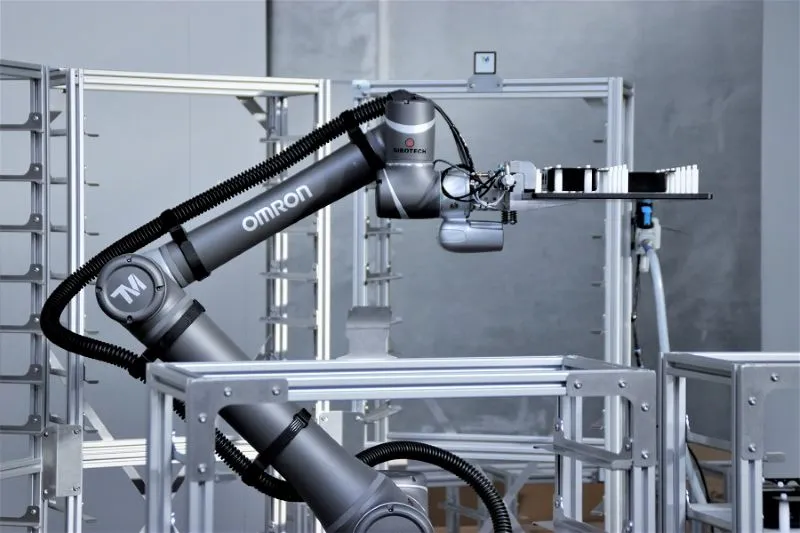
Cobots – Collaborative Robots for Modern Manufacturing
In traditional automation, the robot is enclosed behind a fence and employees work at a distance. A collaborative robot, on the other hand, works right alongside your team, takes over physically demanding tasks, and can be easily moved to where it’s needed most.
It requires neither safety fences, major renovations, nor separate work zones. This makes cobots an obvious choice for companies seeking flexible automation without major renovations.
What is a collaborative robot?
A collaborative robot is a robot designed to safely share workspaces with humans. Limits on force and speed, along with proximity sensors, cause the robot to slow down or stop as soon as something unexpected happens. This makes it possible to work without the physical barriers required by traditional industrial robots.
In addition to their safety features, cobots are compact, easy to move around, and simple to reprogram. The same cobot can handle different tasks during a shift or be moved to another part of the production line as needs change.
How We Work with Cobots
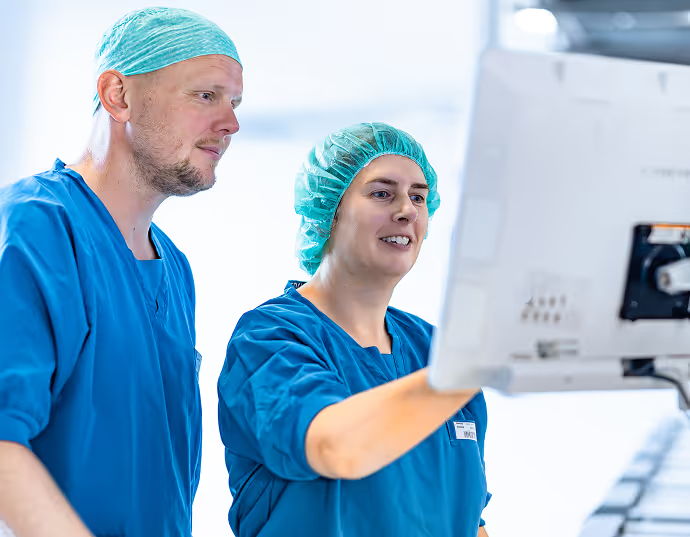
We have more than 40 years of experience in industrial automation and have provided solutions to companies throughout the Nordic region. Many of our installations have been in daily production since the 1980s.
All solutions are tailored to your specific processes, your team, and your production environment. You’ll have a dedicated project manager and TÜV-certified specialists who will be with you every step of the way—from the initial discussion of your needs through installation, training, and ongoing service. Contact us if you’d like to learn more about what cobots can do for your production.
What cobot solutions are available?
GiboCobot
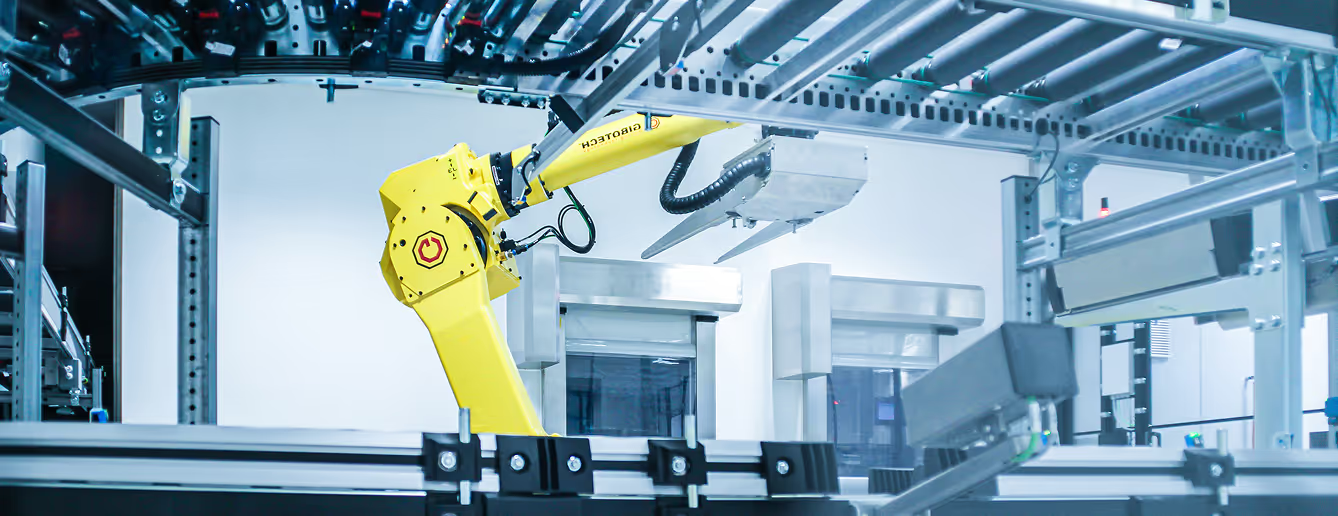
GiboCobots are our ready-to-use cobot systems built on Omron. We handle the design, programming, and installation, and certify the solution before it goes into operation. The platform is suitable for palletizing, pick-and-place, machine tending, and quality control, and integrates seamlessly into most existing automation solutions.
CobotFlex
CobotFlex is our modular, mobile cobot platform designed for maximum flexibility. The robot is mounted on a cart and can be moved between workstations as needed. The same system can operate a CNC machine in the morning and palletize boxes in the afternoon. The gripper can be changed in just a few minutes via plug-and-play, and the solution comes complete with a robot, controller, transport cart, and three days of programming training.
What tasks and industries are cobots used for?
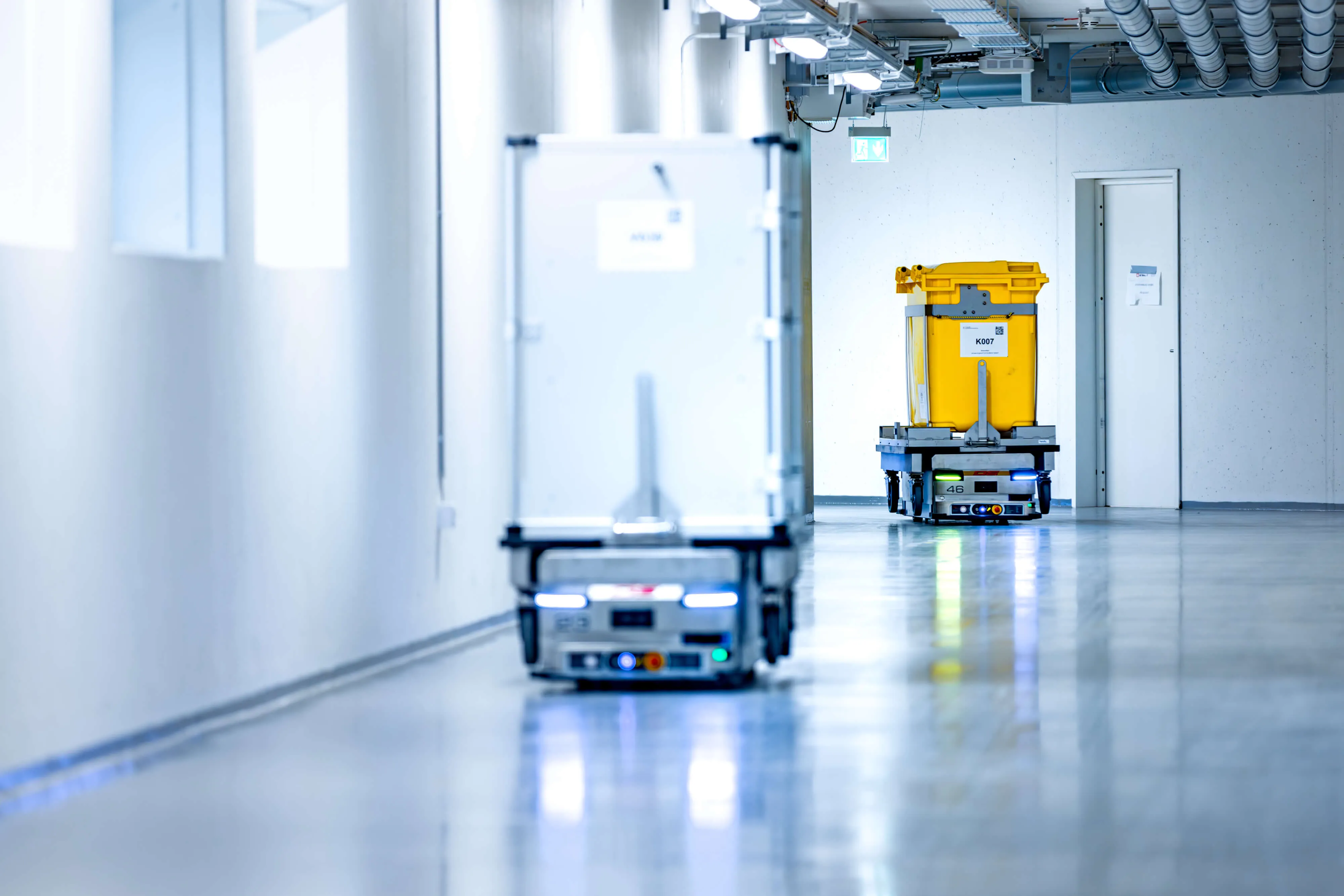
Cobots are used across a wide range of industries and settings. Typical applications include:
- Production: Assembly, welding, polishing, and machine operation
- Warehousing and Logistics: Picking, Packing, and Sorting Using Warehouse Robots
- Laboratories: Precise Handling of Samples and Materials
- Quality Control: Consistent inspection with constant precision
Would you like to learn more about how we can help you?
We specialize in streamlining our clients’ workflows and processes through the use of robots and automation, and we’d love to help you too! We’re always open to a no-obligation conversation about your current situation and how our solutions can help improve it.
Frequently Asked Questions
Are cobots replacing human workers?
Cobots take over tasks that are monotonous, physically demanding, or take a toll on the body—thereby freeing up employees to focus on tasks that require professional judgment and human insight. Most companies find that employees are given more meaningful tasks when robots take over the heavy and monotonous work.
Can cobots be integrated with existing machines?
Cobots are designed to work alongside existing equipment and can be integrated into most production facilities—including CNC machines, conveyor belts, and third-party automation systems. Getting started rarely requires major retrofits, as cobots are adapted to the existing setup—not the other way around. This makes them particularly well-suited for companies that want to automate specific parts of their production without investing in an entirely new setup.
Do cobots require a lot of maintenance?
Maintenance needs depend on the task and how much the robot is in use, but cobots are generally designed for stable, continuous operation with relatively low maintenance requirements. Routine maintenance typically consists of periodic checks and software updates—and most suppliers offer service contracts and spare parts as part of the package.
Are cobots only for large companies?
Cobots are suitable for companies of many different sizes. They require far less infrastructure than traditional industrial robots and are quicker to set up. Whereas a traditional automation system often requires major renovations and lengthy implementation processes, a cobot can typically be integrated into existing production without major changes. This makes them a realistic choice, even for companies operating with limited resources or without a dedicated automation department.