Jenny is an automation technician—and deaf: There’s room for everyone in this field
January 14, 2026
Gibotech
You are always welcome to contact us
We are always ready to help and guide you with expert advice and feedback.
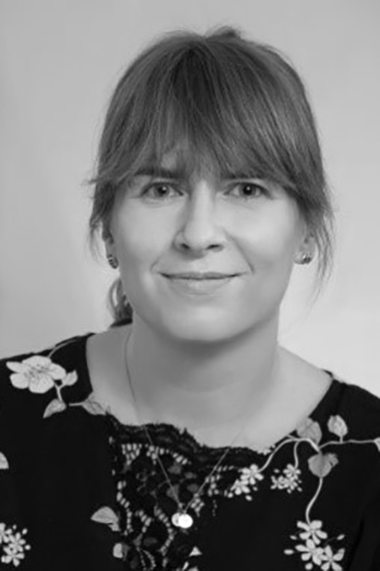
Jenny Stensby is an automation technician at Gibotech, where she is part of a team working on hospital projects. Among other things, she is helping to build two fully automated sterilization centers for the Capital Region.
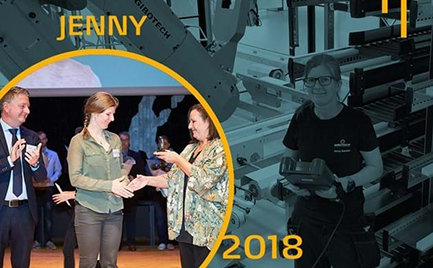
In 2018, she won the ML Award, the Metal Industry Apprenticeship Award, which is presented to newly certified journeymen who have completed vocational training in the metal industry.
Jenny Stensby hopes that the award and recognition will help demonstrate that more employers can confidently hire women—including deaf women. She also highlights women as a valuable resource who work hard and possess the necessary focus.
Receiving the ML Award may help highlight the fact that female and/or deaf employees are just as capable as their hearing male counterparts. When you only hear, read, or write about men in the field, you might get the impression that women or deaf people can’t do the same. If we become more visible in the media, it will become clear that there is room for everyone in these fields.
Jenny Stensby, automation technician at Gibotech
Hasmultiple degrees
Jenny hasn't always been an automation technician. In fact, she has a bachelor's degree in digital multimedia production and completed a one-year course in 3D design. After graduating, she worked as a 3D artist and web developer before saying goodbye to a typical office job.
Given that she has now chosen a male-dominated field, Jenny has no doubts:
"I didn't give it any thought. I was only looking out for my own interests. I didn't think about whether there were too many men—or, for that matter, too few women—in the industry I chose," says Jenny.
And what is everyday life really like for a deaf person in the workplace?
- I have the option of having a sign language interpreter at work for a few hours each day. The interpreter provides services for everything from meetings to phone calls. It’s important for me to emphasize that my employer doesn’t incur any additional costs because of my hearing loss. The Job Center covers all interpreting expenses. It is my own responsibility to schedule when the interpreter should come. For example, I have an interpreter during lunch breaks so I can participate in the social conversation. The rest of the time, I communicate with my colleagues myself using lip-reading and body language. If it gets difficult, we write on the phone, computer, or paper. I often only need keywords to understand the message or the task, says Jenny.