Robots can contribute to the green transition
January 14, 2026
Industry and CNC
Robots
You are always welcome to contact us
We are always ready to help and guide you with expert advice and feedback.

The green transition is one of the most important issues of our time—and of society as a whole. A previous report from SDU and Odense Robotics highlights three areas where robots can make a difference for companies looking to embark on the green transition—a topic that is more relevant than ever in the wake of the COVID-19 crisis, collapsed supply chains, and skyrocketing energy prices.
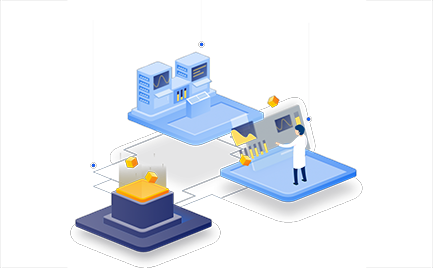
Researchers from SDU identified three ways in which robotics contributes to the green transition: reduced resource consumption through automation; long-term benefits as a tool for preventing damage to structures and equipment, among other things; and innovative green applications for robotics.
The three types of environmental benefits resulting from the use of robotics instead of conventional solutions have one thing in common: they involve not only environmental improvements but also cost savings. Water, energy, chemicals, and waste represent significant expenses in most companies’ budgets.
The green transition is already having a significant impact on the robotics industry, given the potential of robotics technology to contribute to this transition. The focus on the green transition has only intensified since the UN announced the 17 Sustainable Development Goals in 2015, and consumers and policymakers, in particular, are increasingly aligning their efforts with these goals.
Robotics and, by extension, robotics companies have significant opportunities to contribute to a number of the UN’s Sustainable Development Goals. Analyses and reports on robotics and the robotics industry indicate that Danish robotics companies are particularly well-positioned to contribute to the green transition in four areas: Reducing energy consumption, and thereby reducing CO2 emissions. Optimal resource utilization, which includes, among other things, less waste and extended lifespans for products and production equipment. Reduced pollution, particularly through reduced use of harmful chemicals. And recycling, where sorting robots can increase the recycling of valuable resources.
Companies can achieve environmental and financial savings by integrating robotics into their operations. But this naturally requires that they be aware of the opportunities that robotics can offer.
Reduction in resource consumption
The reduction in resource consumption that can be achieved through automation is already evident and measurable across a wide range of industries. Automation itself reduces labor costs, which enables local production and reduces the need for transportation, thereby also reducing CO2 emissions from transportation.
At the same time, the precision of automated production is also more efficient and accurate, which reduces waste and ensures optimal use of raw materials, energy, and water. The fact that flexible robots—known as cobots—can be reprogrammed and thus reused if production is reorganized also contributes to the green transition.