Will robots and automation take my job?
January 14, 2026
Hospitals & Healthcare
Industry and CNC
Robots
You are always welcome to contact us
We are always ready to help and guide you with expert advice and feedback.

One of the concerns you might have as an employee when your workplace starts talking about automation is whether you’ll lose your job. But don’t worry—people are still indispensable.
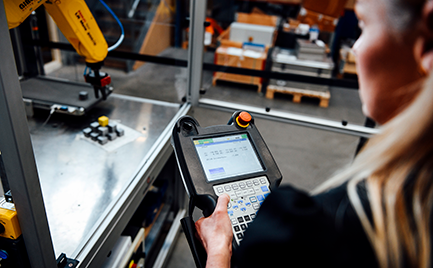
When we talk about automation, we’re referring to workflows that can be standardized—that is, workflows that are performed in the same way every time and many times throughout the day.
Automating such workflows can benefit all parties. For employees, this is particularly true because repetitive and monotonous tasks often contribute to a less-than-ideal work environment.
But what will happen to your job when automation takes over?
Based on the automation solutions we have implemented, we have not seen any reduction in the number of employees. Often, your work will simply be reassigned to a different task.
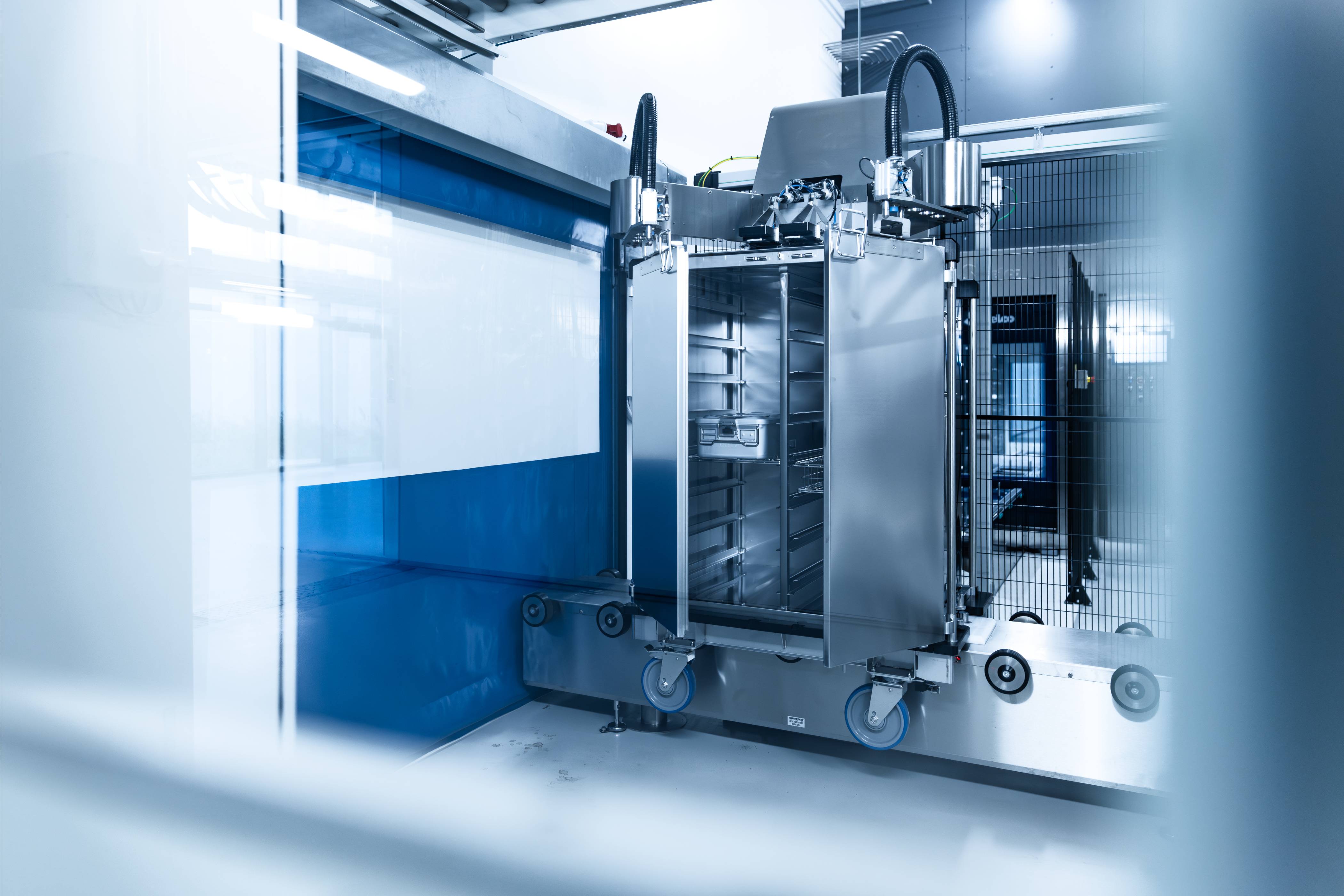
Depending on your primary job responsibilities, automation can free up more time for you to focus specifically on that task. For example, if you wash and inspect surgical instruments in a central sterilization department, you can concentrate solely on that task instead of (also) spending time picking up and delivering instruments to other workstations.
If you’re moving carts between departments, you might find yourself at one end or the other of the transport process. For example, you might load the carts and get them ready for transport, or you might unload them and place the items in their correct locations within the department.
And then, of course, there is the fact that automation must be maintained and inspected—tasks that, naturally, must be performed by humans. Just as programming and quality control cannot be done through automation.
So automation eliminates tasks, but it doesn’t eliminate employees. It simply reassigns them to other tasks.